
Last updated November 21, 2026
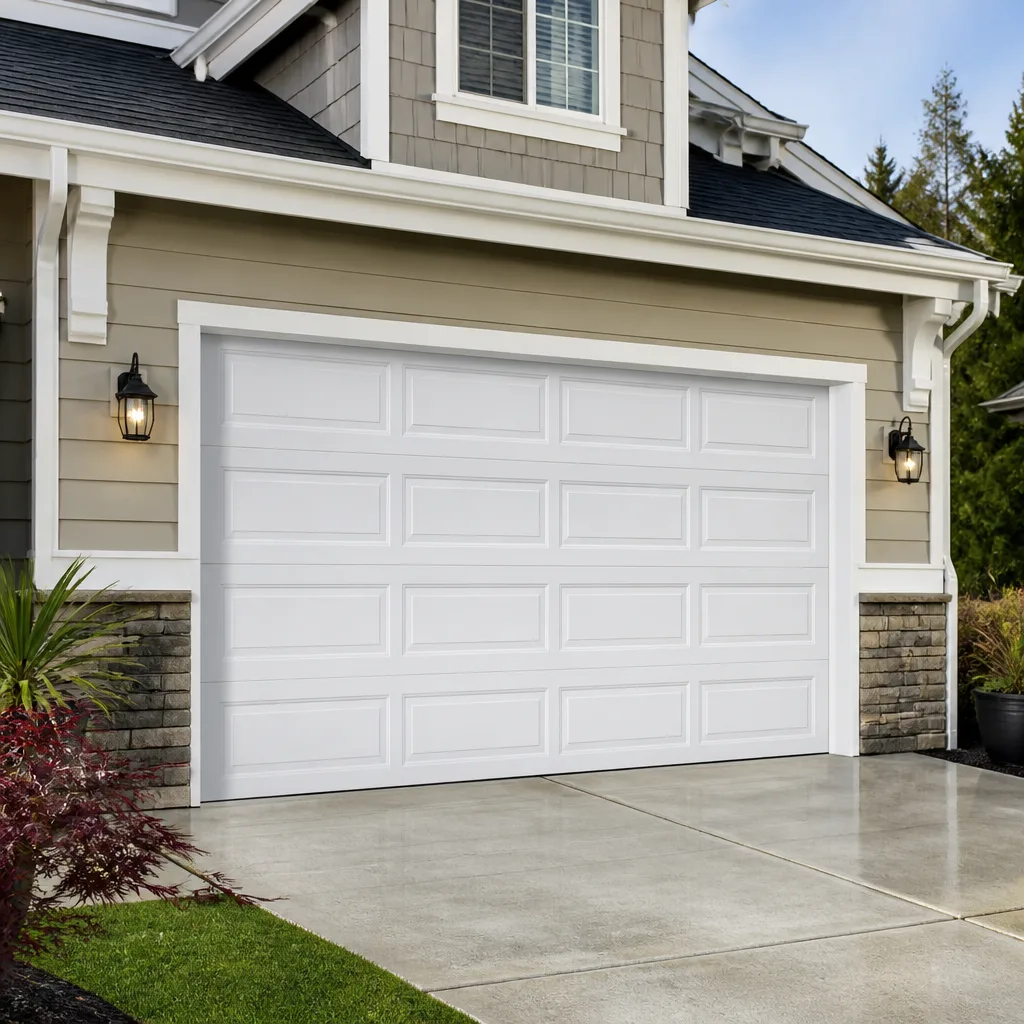 Raised-panel steel
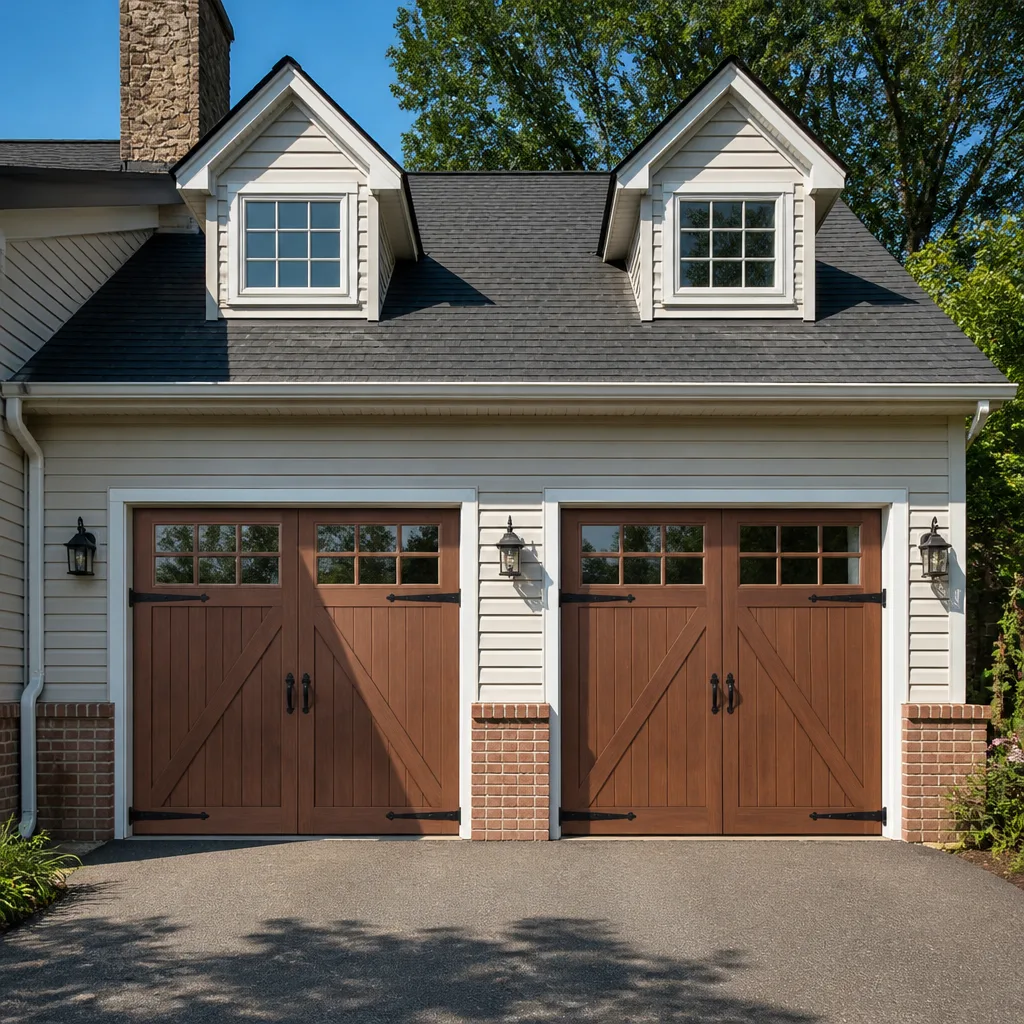 Carriage house
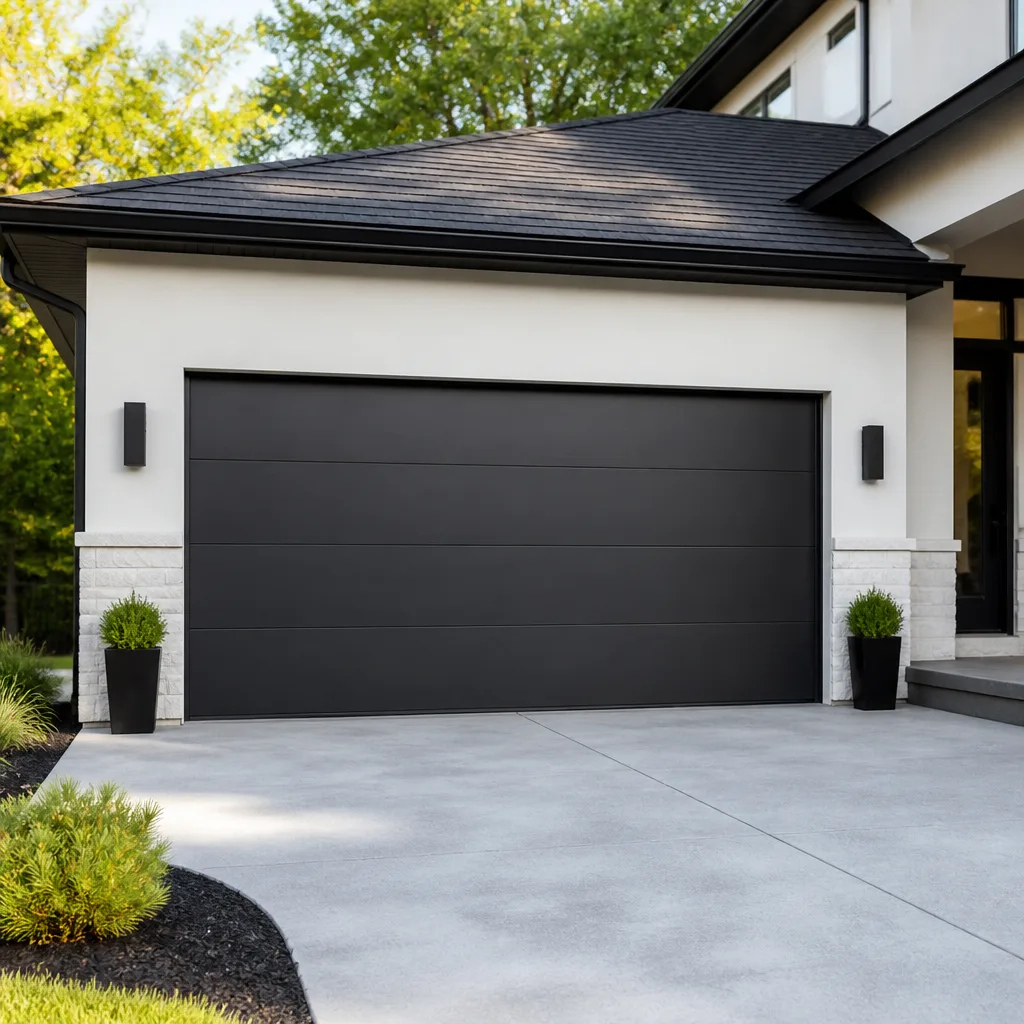 Modern flush
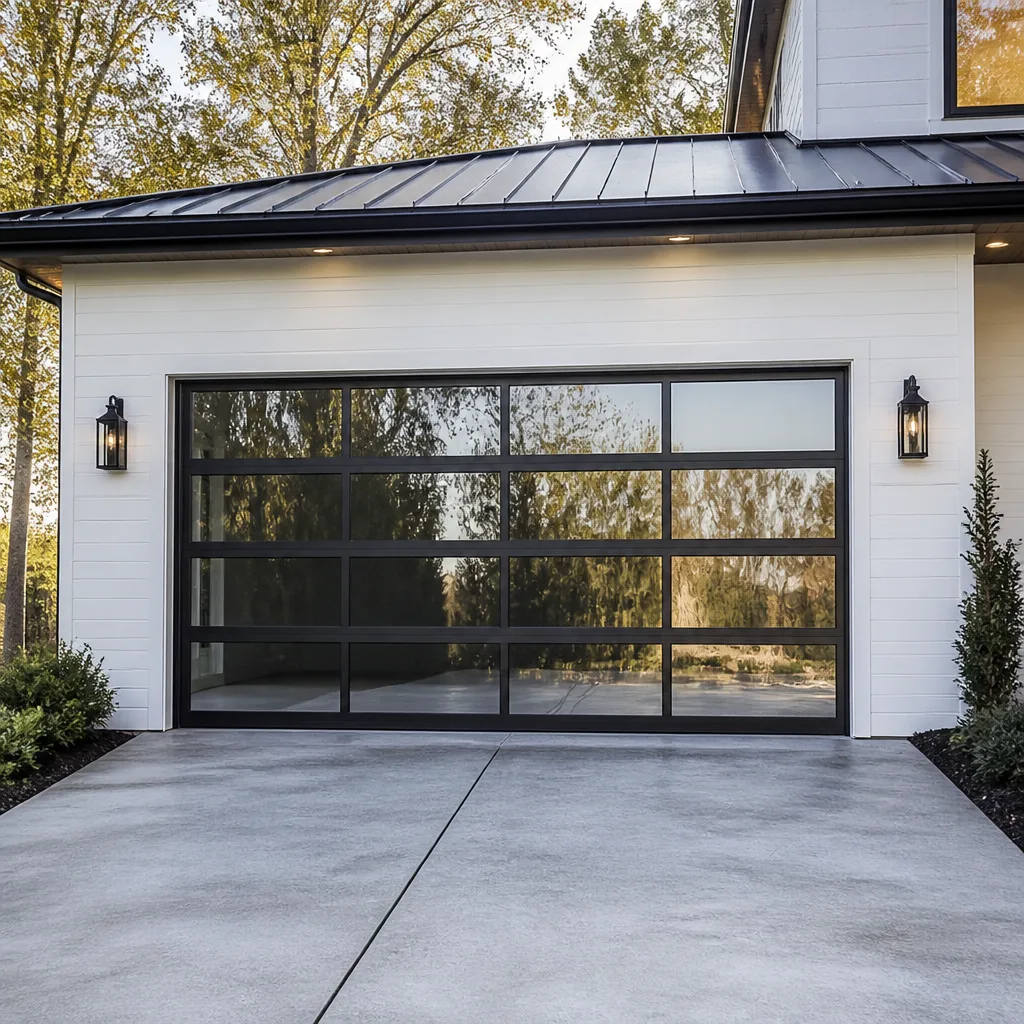 Full-view glass
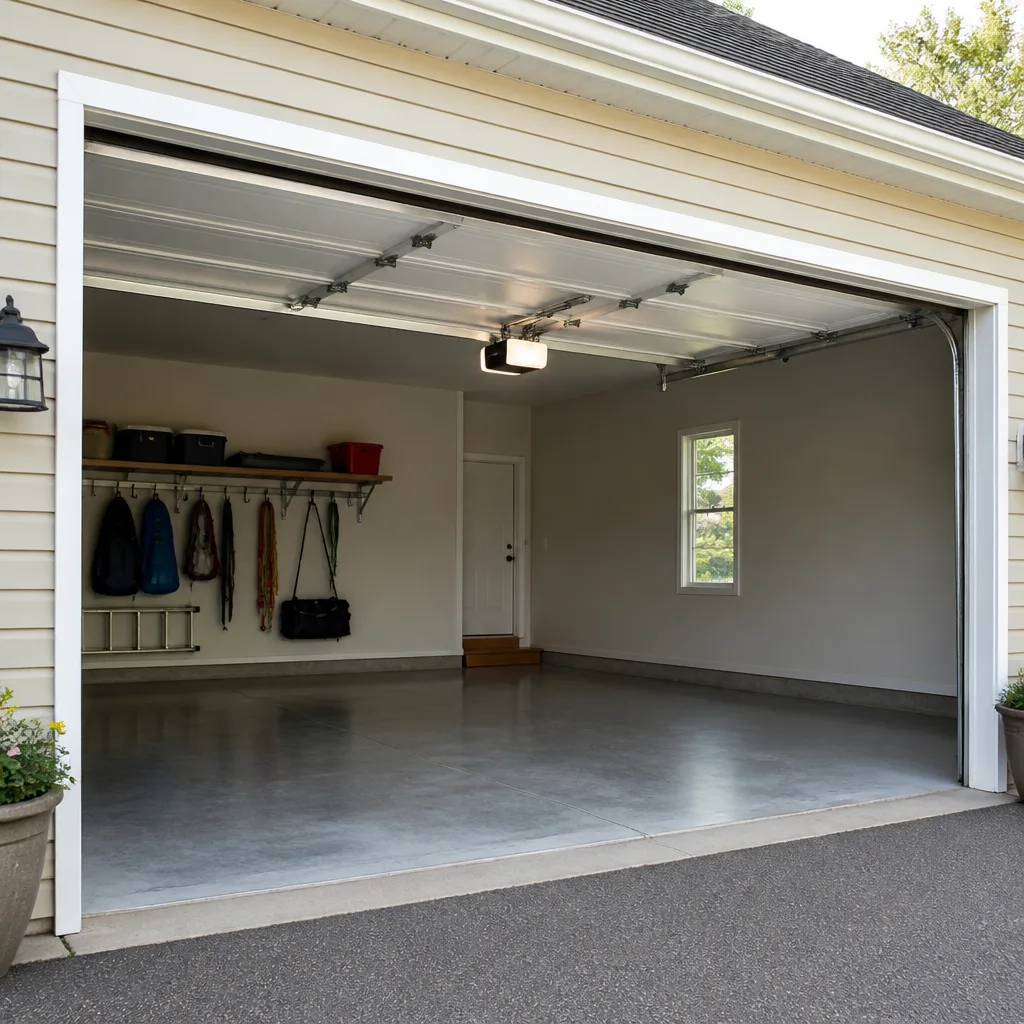 LiftMaster openers
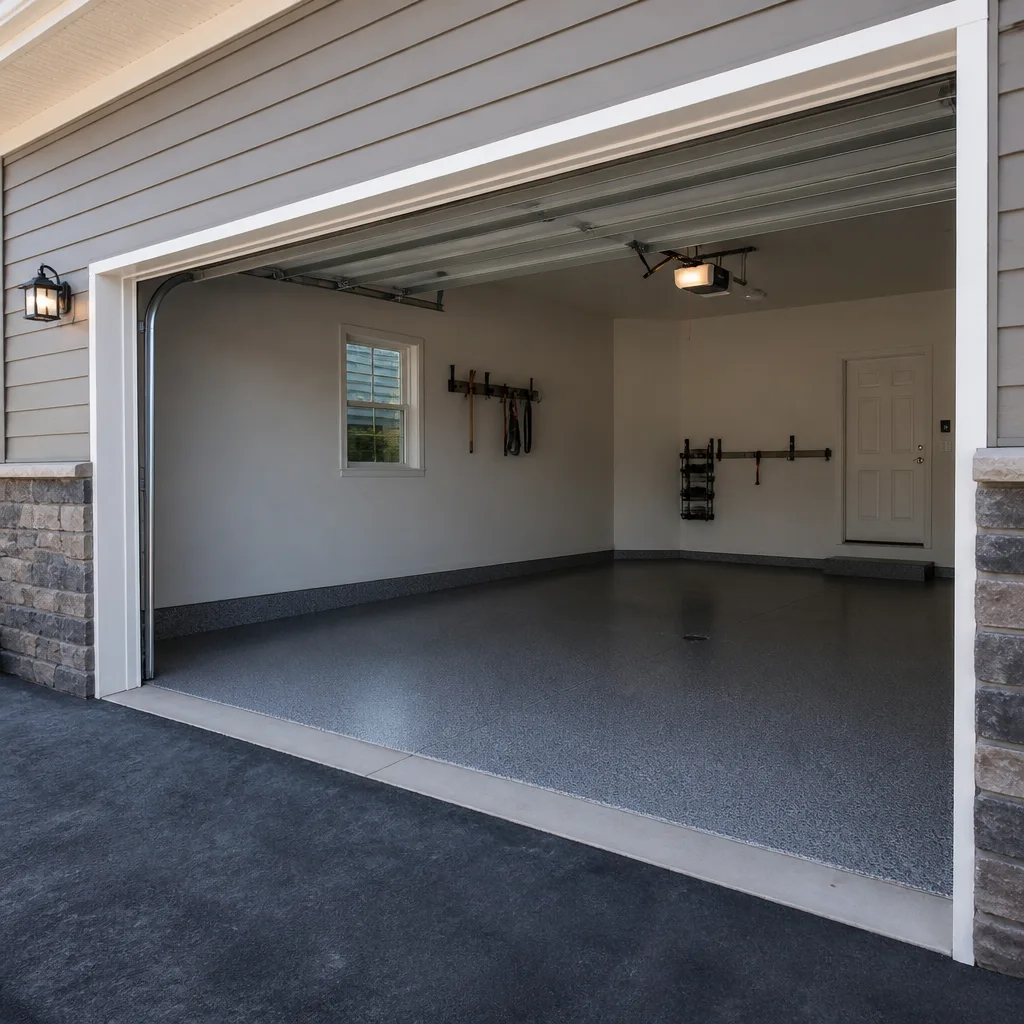 Chamberlain openers
Full 25-point door and opener safety check with every visit - springs, cables, rollers, tracks, and your LiftMaster or Chamberlain opener included
You get a price before we start. It does not change when the pro arrives.
Get your free estimateDIY vs Professional Garage Door: The Palm Beach Gardens Homeowner’s Decision Guide
You can legally change your own oil. You cannot legally install a hurricane-rated garage door in Palm Beach County without a licensed contractor pulling a permit. That gap is where most DIY-versus-professional arguments go wrong. People debate skill, tools, and YouTube tutorials when the real dividing line is jurisdiction: what Florida law and Palm Beach County code let a homeowner touch, and what they don’t. This guide draws that line task by task, so you can decide with facts instead of guesswork. We’ll cover what the homeowner exemption actually covers in Palm Beach Gardens, which jobs are genuinely safe to handle yourself, why torsion springs are different from every other repair, and how an unpermitted door can affect a storm damage claim.
Styles & brands we work with
- Raised-panel steel
- Carriage house
- Modern flush
- Full-view glass
- LiftMaster openers
- Chamberlain openers
Quick Answer
In Palm Beach Gardens, you can safely and legally handle weatherstripping, lubrication, safety sensor alignment, and remote reprogramming yourself. Anything involving torsion or extension springs, cables, tracks, or a full door replacement belongs to a licensed professional, because spring work carries stored-energy risk that no tutorial removes, and door replacement in Palm Beach County requires a permit and licensed installation. The decision isn’t about whether you’re handy. It’s about which tasks carry safety, code, and insurance consequences.
Table of Contents
- The Jurisdiction Question: What Florida Law Actually Lets You Do
- The DIY Tasks That Are Genuinely Safe and Effective
- Why Torsion Springs Are a Professional-Only Task
- Permits, Hurricane Ratings, and Your Insurance Claim
- Openers and Smart Systems: Where DIY Gets Murky
- The Five-Question Decision Matrix
- What Professional Work Costs in Palm Beach Gardens
- Common Mistakes to Avoid
- When to Call a Professional
- Frequently Asked Questions
- The Bottom Line
The Jurisdiction Question: What Florida Law Actually Lets You Do
Florida law allows homeowners to perform certain work on their own property without a contractor license, but that exemption is narrower than most people assume. It generally covers ordinary maintenance and minor repair on a home you own and occupy. It does not cover work that requires a building permit, and it does not extend to structural or safety-critical components installed under a permitted scope. Garage door replacement in Palm Beach County falls on the permit side of that line.
Here’s the practical split:
- Maintenance (no permit, homeowner OK): weather seal replacement, lubrication, tightening exposed bolts, cleaning tracks, aligning photo-eye sensors, reprogramming remotes and keypads.
- Repair (no permit, but risk-dependent): roller and hinge replacement are technically within reach for a careful homeowner. Spring, cable, and track work is not, for safety reasons covered below.
- Replacement (permit required): a new door, a new opener installed as part of a door replacement, and any change to the door’s structural anchoring. This requires a licensed contractor to pull the permit and perform the install.
One detail that trips people up: the homeowner exemption is tied to a home you own and occupy. If the property is a rental, a second home, or held in an LLC, the exemption usually doesn’t apply. In Palm Beach Gardens, where a meaningful share of homes sit in gated communities with HOA architectural review on top of county permitting, a door swap handled without a permit can also violate the community’s design approval process. Ask your city’s building department and your HOA before you assume a job is yours to do. For anything in the repair column that you’d rather hand off, our garage door repair team handles the full range.
The DIY Tasks That Are Genuinely Safe and Effective
Four jobs are worth doing yourself. They’re low-risk, they don’t involve stored tension or structural anchoring, and a homeowner with basic tools can usually finish them in under an hour. In our experience, these are also the jobs that get skipped the longest, which is why doors in Palm Beach Gardens neighborhoods like PGA National and BallenIsles often fail on maintenance long before they fail on parts.
- Weatherstripping replacement. The bottom rubber seal and the side and top vinyl stops degrade under Florida sun. New seals cut drafts, keep rain driven by summer storms out of the garage, and reduce the rattle a loose door makes in wind. Slide the old seal out of its retainer channel, cut the new one to length, and slide it in.
- Lubrication. A lithium-based or silicone garage door lubricant on hinges, rollers, and the torsion bar bearings (not the springs themselves) quiets a noisy door and slows wear. Twice a year is plenty in this climate.
- Safety sensor alignment. If the door reverses on close for no obvious reason, the photo-eye sensors at the bottom of the tracks are usually misaligned or blocked. Wipe the lenses, check that both LEDs are solid, and nudge the brackets until they line up.
- Remote and keypad reprogramming. Lost a remote, changed a code, added a second car? Reprogramming a LiftMaster, Chamberlain, or Genie remote is a button sequence from the manual, not a service call. If the opener itself has stopped responding to every remote, that’s a different problem, and our garage door opener repair page covers what usually causes it.
What these four tasks have in common: if you get them wrong, the door still works, just not as well. Nothing stores energy, nothing holds the door’s weight, and nothing depends on torque specs. That’s the test to apply to any job you’re considering.
Why Torsion Springs Are a Professional-Only Task
A torsion spring holds the full weight of your garage door in stored mechanical energy, and that energy doesn’t care who’s standing under it. A standard residential door weighs somewhere in the range of a large motorcycle to a small car, and the springs are wound to counterbalance nearly all of it. When a spring is under tension and something releases it unexpectedly, the result isn’t a bruise. This isn’t a scare tactic; it’s a description of what a wound spring is. Springs are the most dangerous part of any garage door, and that’s why we handle them as a dedicated, safety-critical service rather than folding them into general repair.
The math that makes DIY spring work unwise is straightforward. Torsion spring tension is set by the number of turns wound onto the shaft, and residential doors commonly run anywhere from seven to nine full turns depending on door weight and drum size. Getting that number wrong in either direction creates a problem: too few turns and the door is heavy and unsafe to operate, too many and the spring is overloaded. You can’t verify the setting by feel. You verify it with a winding bar and a count, and if the spring lets go mid-wind, the bars become projectiles.
Extension springs, common on older doors, carry a related risk. They stretch along the track under load, and a failure sends the spring and its hardware toward whatever is in the path. A safety cable through the spring is the standard mitigation, and if your door doesn’t have one, that alone is worth a professional look.
What we do differently on a spring job:
- Match the spring to the door’s actual weight and the cycle life the door needs, not to whatever’s on the shelf.
- Replace both springs on a two-spring door together, since a matched pair wears at the same rate.
- Re-balance the door and re-check the opener’s force settings after replacement, because a new spring changes how the opener reads the door.
Our technicians have up to 15 years of experience, and spring work is a big share of it. If your door has a snapped spring, our garage door spring repair page explains the process and typical pricing. Leave the winding to someone who does it safely and often.
Permits, Hurricane Ratings, and Your Insurance Claim
A garage door is the largest opening in most Palm Beach Gardens homes, and in a storm it’s a pressure point. Wind-rated doors are tested and labeled for specific design pressures, and the label is the evidence. A permitted installation creates the paper trail that ties that label to your address. A homeowner-installed door with no permit creates a gap in the record, and that gap can complicate a claim after storm damage even when the door itself was fine.
Here’s how the sequence usually goes when a claim adjuster reviews a garage door loss:
- The adjuster asks for the permit and inspection record for the door installation.
- If no permit exists, the adjuster may treat the installation as unverified and question coverage for the door itself.
- If the door’s rating label doesn’t match the opening or the door was modified after installation, the adjuster may question whether the installed door met the wind-load requirements for the home.
- The claim can be reduced, delayed, or denied on the door portion, even when everything else about the loss is legitimate.
We can’t tell you how your specific insurer will treat a specific claim, and no honest contractor can. What we can tell you is that a permitted, inspected, licensed installation removes the question entirely. In a county that takes wind mitigation seriously, that’s the cheaper path in the long run. If you’re planning a replacement, ask your contractor for the permit number and the inspection sign-off before final payment, and keep both with your closing documents. Nobody regrets having the paperwork. Plenty of homeowners regret not having it.
Openers and Smart Systems: Where DIY Gets Murky
Swapping a remote is DIY. Replacing an opener on a door that’s out of balance is not, because a new opener on a bad door just fails faster. The murky middle is where most Palm Beach Gardens homeowners actually live: an opener that works but doesn’t connect to the app, a door that reverses for no reason, a wall control that beeps and does nothing.
A few honest guidelines:
- Reprogramming a smart opener is DIY. MyQ on LiftMaster and Chamberlain, and Aladdin Connect on Genie, both have app-based setup flows. If the opener stopped talking to WiFi after a router change, re-pairing it is a homeowner task.
- Force and travel limit adjustments are borderline. The adjustment screws are accessible, but setting them wrong creates a door that crushes what’s under it or reverses on the frame. If the door needs adjustment, have a technician set it and confirm the safety reverse works.
- Opener replacement is professional. The opener has to be matched to the door, the header bracket has to be anchored correctly, and the safety reverse has to be tested after install. On a hurricane-rated assembly, opening work also has to respect the door’s rated installation.
We work on both dominant smart-home-compatible platforms, so if your opener is a LiftMaster or a Genie and it’s misbehaving, brand-specific diagnosis saves time. A Clopay or Amarr door paired with the wrong opener is a common cause of repeat failures, and it’s the kind of mismatch a generalist handyman won’t catch.
The Five-Question Decision Matrix
Skip the blanket “DIY or not” question and route yourself task by task. Answer these five questions in order for whatever you’re about to tackle. The first “no” or “yes” that points to professional is your answer.
- Does the task involve a spring, cable, track, or the door’s structural anchoring? If yes, professional. No exceptions, no tutorials, no “I’ve done it before.”
- Does the task require a permit in Palm Beach County? If yes, professional. Replacement and structural changes are the usual suspects, and a licensed contractor pulls the permit.
- Is the task about the door’s operation or the door’s appearance? Operation (force, travel, balance, safety reverse) goes to a professional. Appearance and sealing (weatherstripping, paint, hardware trim) is yours.
- Is the task about a smart system’s software? If yes, DIY. Reprogramming remotes, reconnecting MyQ or Aladdin Connect, and adding a keypad are all homeowner tasks.
- Would a mistake in this task be reversible? If a mistake means the door stays broken or becomes unsafe, professional. If a mistake means a squeaky door or a drafty seal, DIY.
Run this matrix against the actual job, not the category. “Garage door repair” isn’t one thing, and treating it as one is how homeowners end up in over their heads on a spring job or paying for a service call on a remote they could have reprogrammed.
What Professional Work Costs in Palm Beach Gardens
Typical Palm Beach Gardens pricing sits roughly where you’d expect for a Palm Beach County market. The ranges below are estimates, and the written quote sets the final price. Every job is quoted and agreed before any work starts, so you’ll know the number before anyone touches the door.
- Torsion spring replacement (one spring): roughly $180 to $340.
- Torsion spring replacement (matched pair): roughly $360 to $680, since a pair is replaced together.
- Opener repair (motor, logic board, gear, or travel problem): roughly $150 to $350, depending on the part.
- Opener replacement with a new unit: roughly $350 to $700 installed.
- New door installation: roughly $1,200 to $3,500 or more depending on door size, material, and wind rating.
- Weatherstripping replacement (parts and labor): roughly $100 to $250.
Where the money goes: spring and opener jobs on a door that’s still serviceable are usually the cheaper call. A 20-year-old door with a failing bottom section, cracked panels, and an aging opener is often a replacement instead, and a Clopay or Amarr door will hold up better in this climate than a builder-grade unit. The estimate tells you which side of that line you’re on. If your springs are the problem, see our spring repair page for what the job involves, and if the door has failed entirely, our Palm Beach Gardens garage door repair pros page covers the full repair arc.
Common Mistakes to Avoid
- Winding a spring without the right bars. Screwdrivers substitute for winding bars in exactly zero safe scenarios. The bars are a specific tool for a specific job. Skip the spring job entirely or hand it to a professional.
- Assuming the homeowner exemption covers a rental. In Palm Beach Gardens, a door on an investment property or second home usually doesn’t fall under the owner-occupant exemption. That makes permit and licensing requirements apply where they otherwise might not.
- Installing a new door without a permit to save time. The paperwork is the point. A permitted install leaves a record that stands behind a storm damage claim; an unpermitted one leaves a question.
- Adjusting the opener’s force setting to fix a heavy door. If the door is heavy, the spring balance is the problem, not the opener. Cranking up force to compensate wears out the opener and defeats the safety reverse.
- Ignoring the safety reverse test. Every opener has a test that verifies the door reverses on contact with an object. It’s a two-minute check, and it’s the most important one on the whole system.
- Replacing only one spring on a two-spring door. The second spring is the same age as the one that broke. Replace both together or you’ll be back here in a few months.
- Mismatching a door and opener. A heavy wind-rated door on an undersized opener is a common cause of repeat failures. If your opener keeps dying, the door or its balance is often the real culprit.
When to Call a Professional
Call a professional for any spring, cable, or track problem, any job that needs a permit, any door that reverses or stops mid-travel, and any opener that has failed to respond to remote and power-cycle troubleshooting. Also call when the repair cost versus replacement cost is close, because that decision deserves an on-site assessment rather than a phone guess. Palm Beach Gardens Garage Door Repair Pros offers free estimates in Palm Beach Gardens. We answer 24/7, and fast dispatch runs from 7am to 7pm, Sunday through Friday. The price is quoted and agreed before any work starts, and our technicians have up to 15 years of experience with LiftMaster, Chamberlain, Genie, Clopay, Amarr, Wayne Dalton, Craftsman, and Raynor systems. Call (866) 490-4428 for an exact quote – estimates are free.
Frequently Asked Questions
Not legally without a licensed contractor and a permit. Palm Beach County requires a permit for garage door replacement, and the homeowner exemption from contractor licensing generally doesn’t cover permitted structural work, especially on a wind-rated door. A licensed contractor pulls the permit, performs the install, and the work gets inspected. That inspection record is what protects you on a storm damage claim.
No. Torsion and extension springs store enough energy to cause serious injury, and the winding process has no safe way to verify the turn count by feel. There are no homeowner-safe shortcut tools. Call (866) 490-4428 for an exact quote – estimates are free.
Weatherstripping replacement, lubrication, safety sensor alignment, remote and keypad reprogramming, and smart opener app setup are all within reach. These tasks don’t require a permit, don’t involve stored tension, and a mistake leaves the door working, just not as well. Anything that touches springs, cables, tracks, or structural anchoring is professional territory.
It can be, because the adjuster may ask for the permit and inspection record and a missing permit raises questions about whether the installed door met wind-rating requirements. We can’t tell you how a specific insurer will treat a specific claim. A permitted, inspected install removes the question.
Usually, yes. Spring repair is one of the calls we’re set up to handle quickly, and same-day service is often possible. We answer 24/7, with fast dispatch from 7am to 7pm, Sunday through Friday. A call outside dispatch hours is booked into the next opening. Call (866) 490-4428 for an exact quote – estimates are free.
No. Our written estimate sets the price, and the quote is agreed before any work starts. If a job uncovers something the estimate didn’t account for, you’ll hear about it before we proceed, not after. That’s the standard on every Palm Beach Gardens job.
The Bottom Line
The DIY-versus-professional decision in Palm Beach Gardens isn’t really about whether you’re handy. It’s about three things: stored energy, permits, and paperwork. Springs and cables are professional work because the physics doesn’t care how careful you are. Replacement is professional work because Palm Beach County requires a permit and licensed install, and the inspection record stands behind your storm damage claim. Weatherstripping, lubrication, sensor alignment, and remote reprogramming are yours to handle. Run the five-question matrix before every job, and don’t let a “quick” spring swap turn into an emergency. When in doubt, a free estimate costs you nothing and tells you exactly where the work stands.
Call (866) 490-4428 for a free estimate. We answer 24/7. Fast dispatch from 7am to 7pm, Sunday through Friday. Whether it’s a spring, an opener, or a full door, one call covers it.
Written by the team at Palm Beach Gardens Garage Door Repair Pros.
See the difference
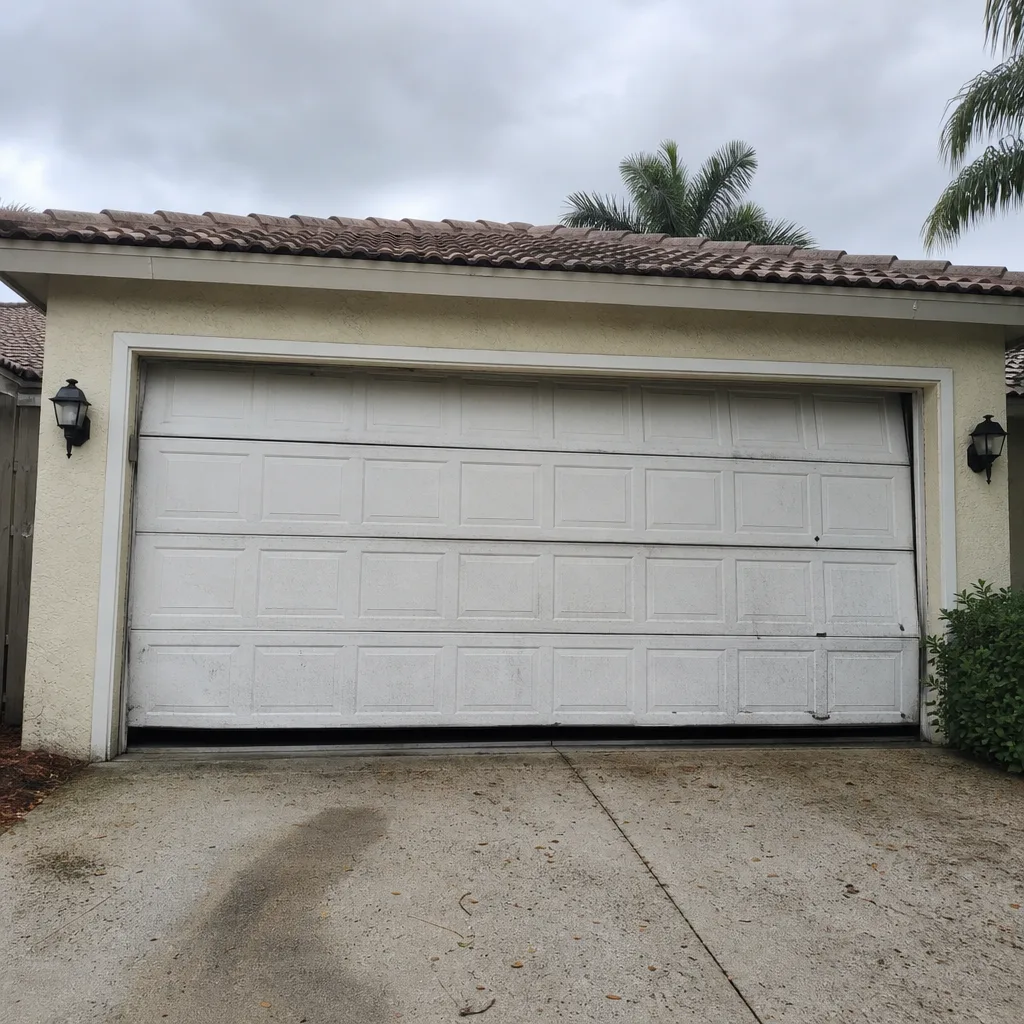 Before
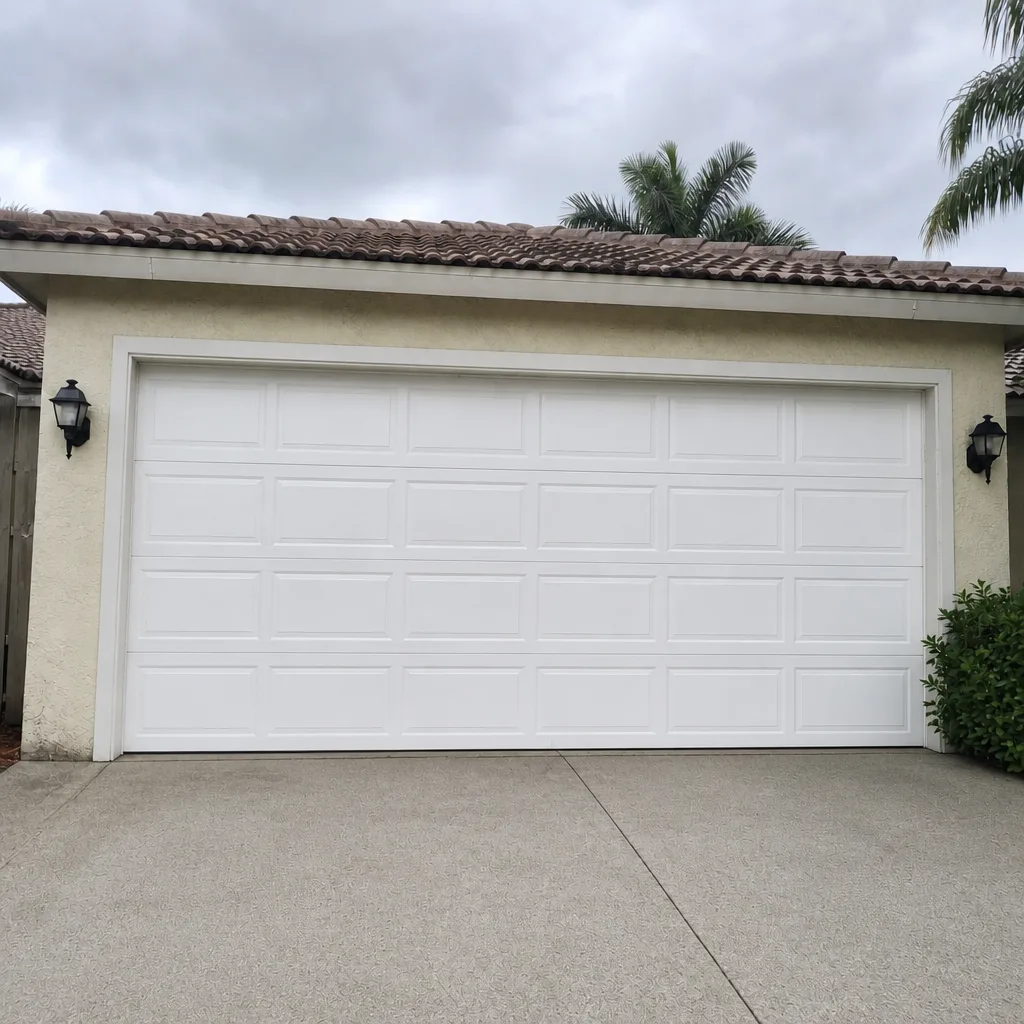 After
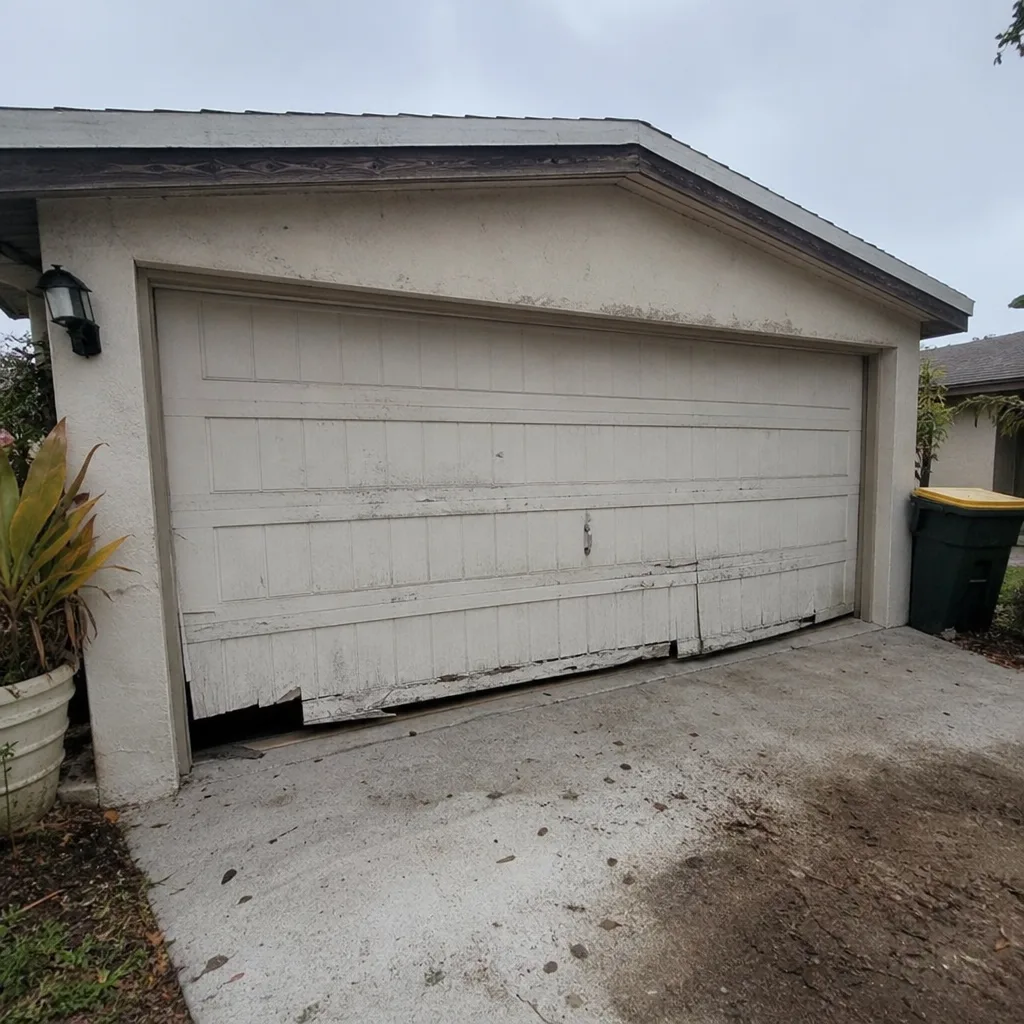 Before
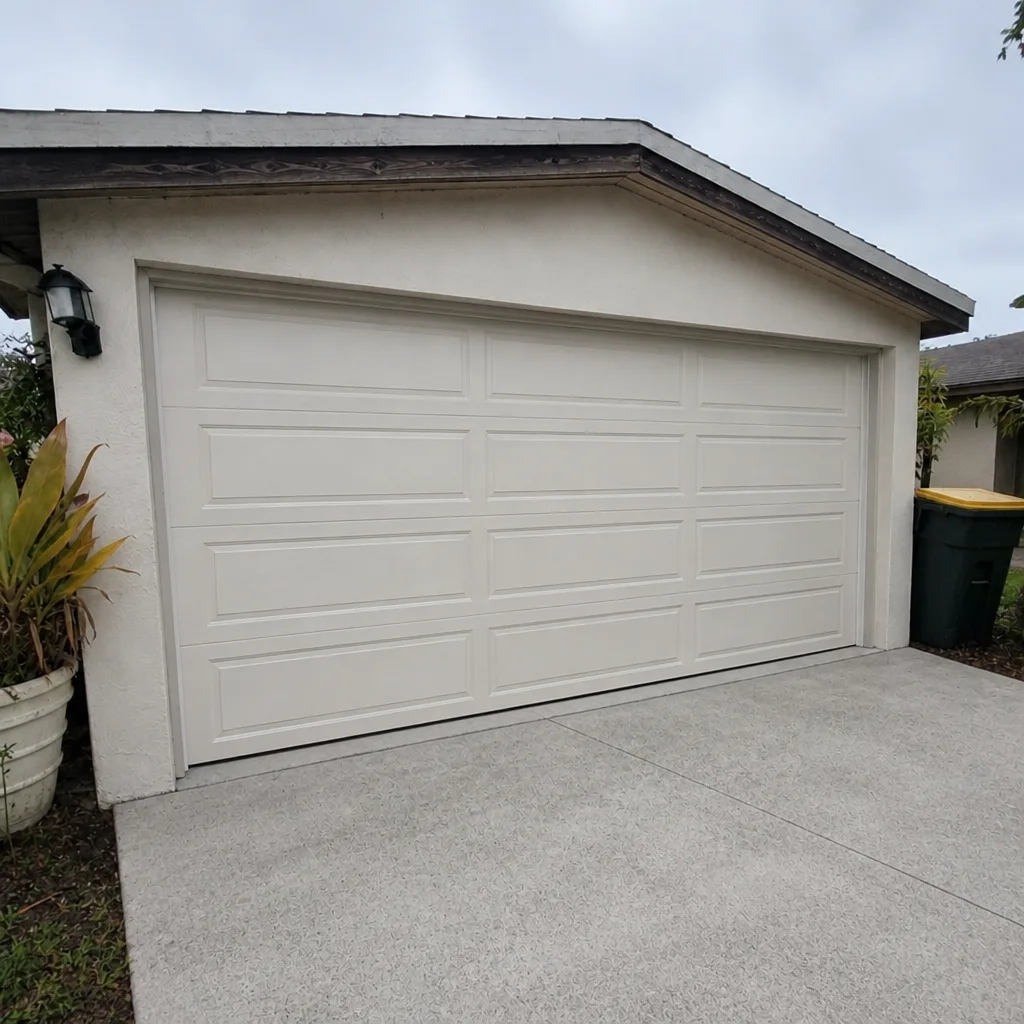 After
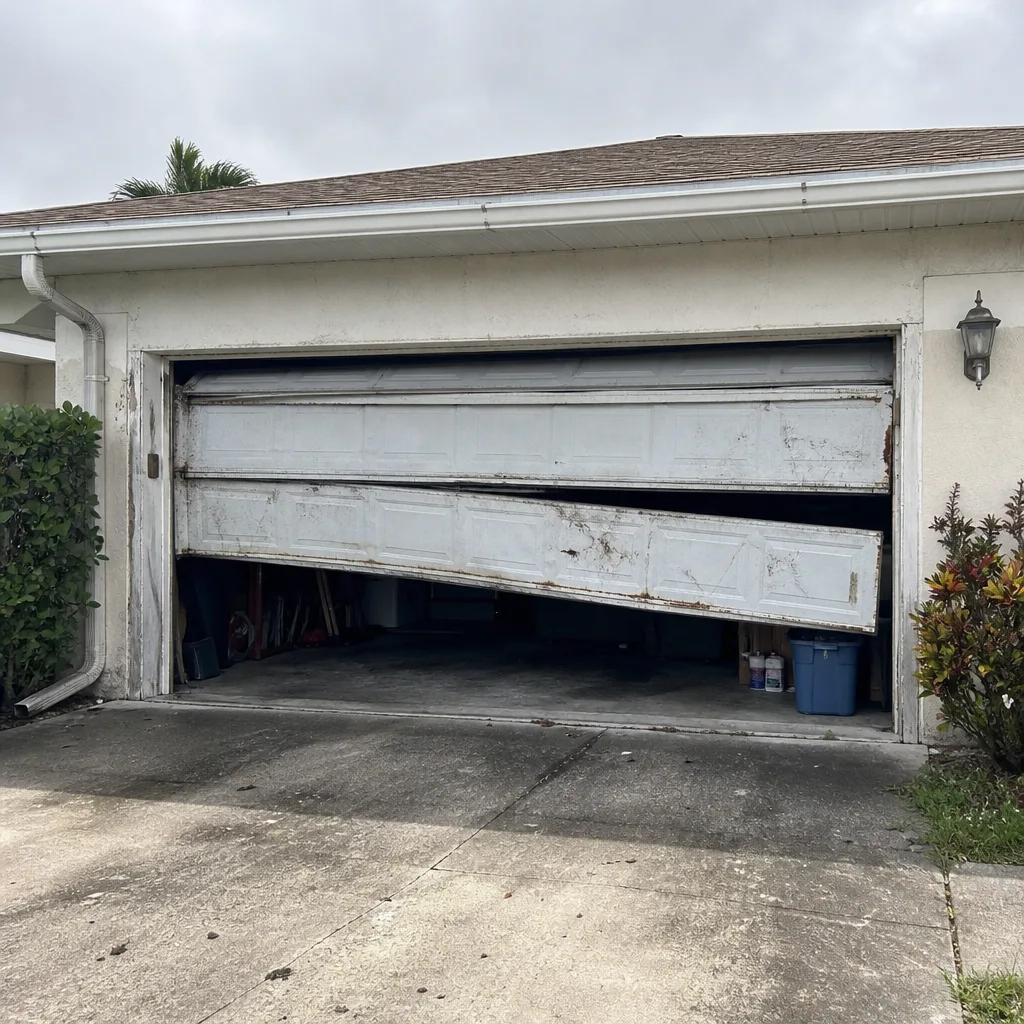 Before
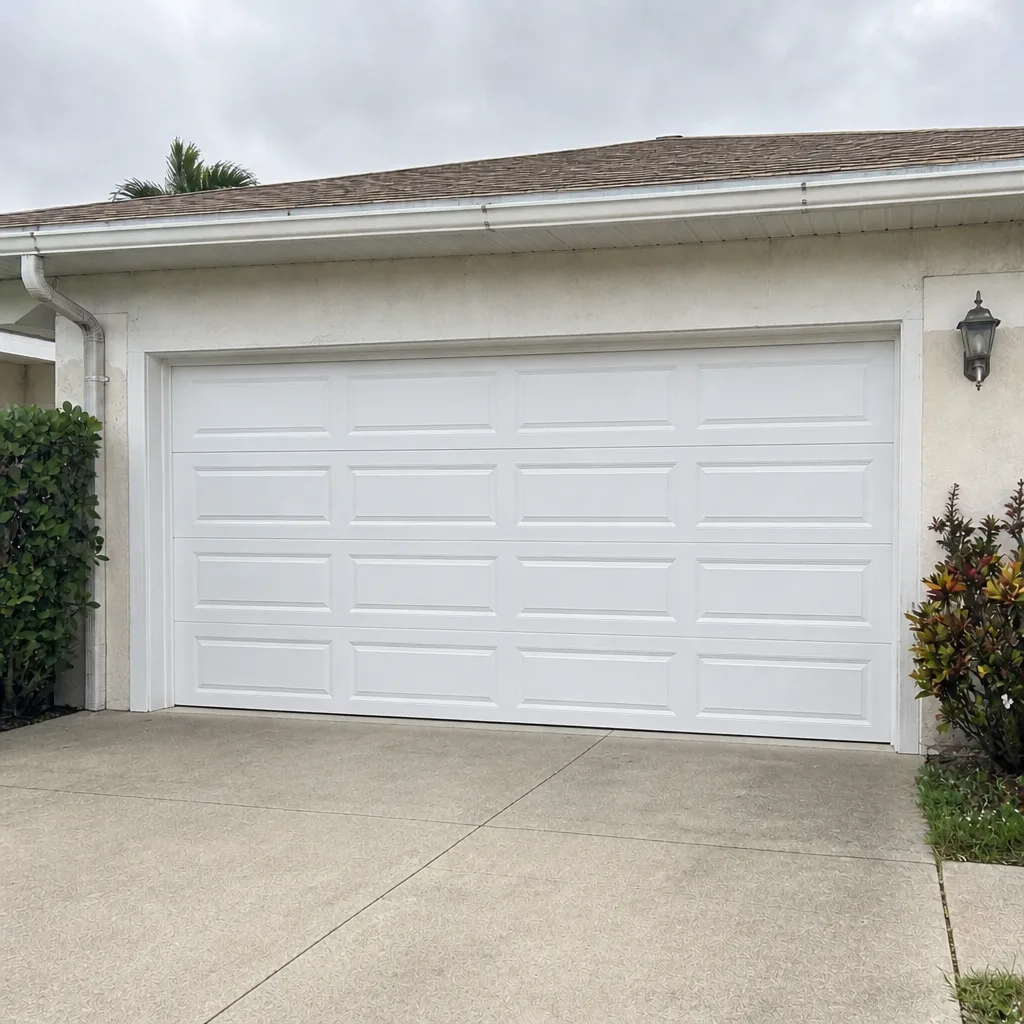 After