
Last updated November 21, 2026
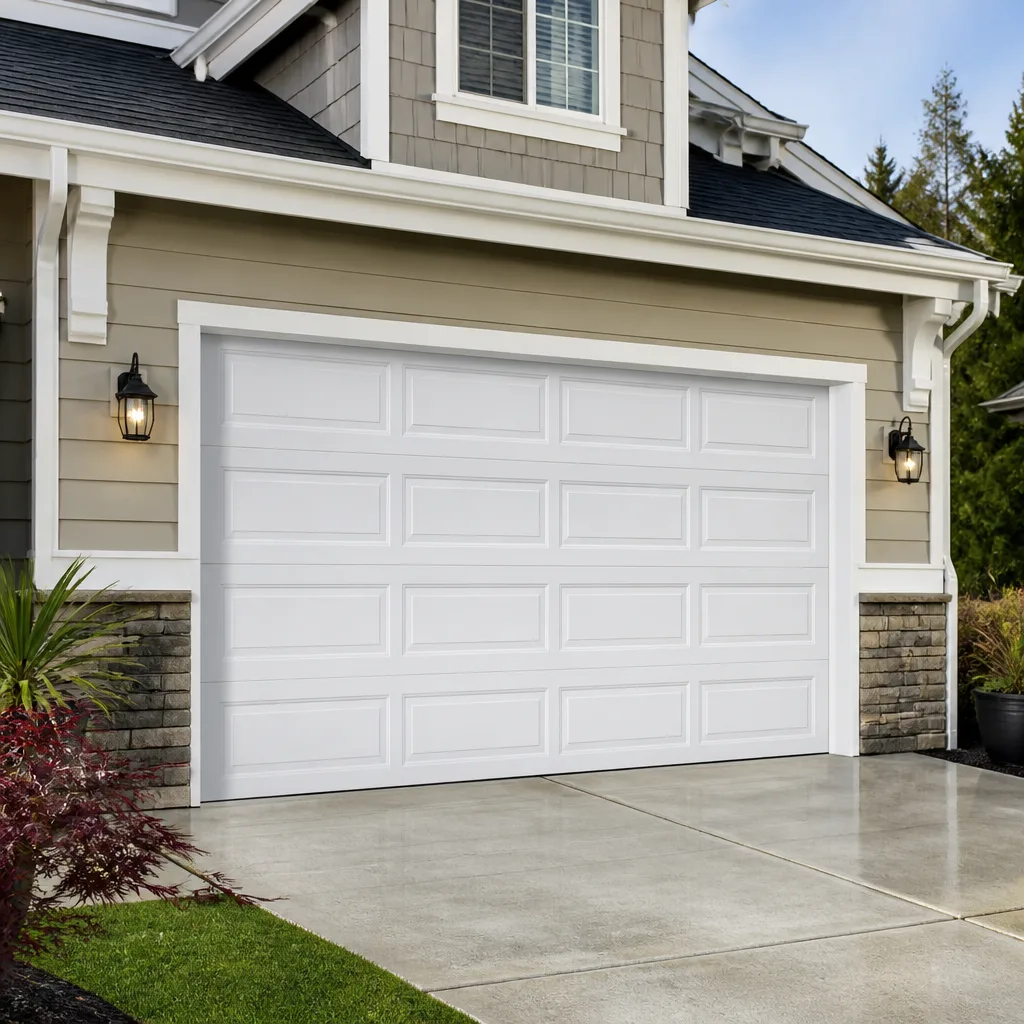 Raised-panel steel
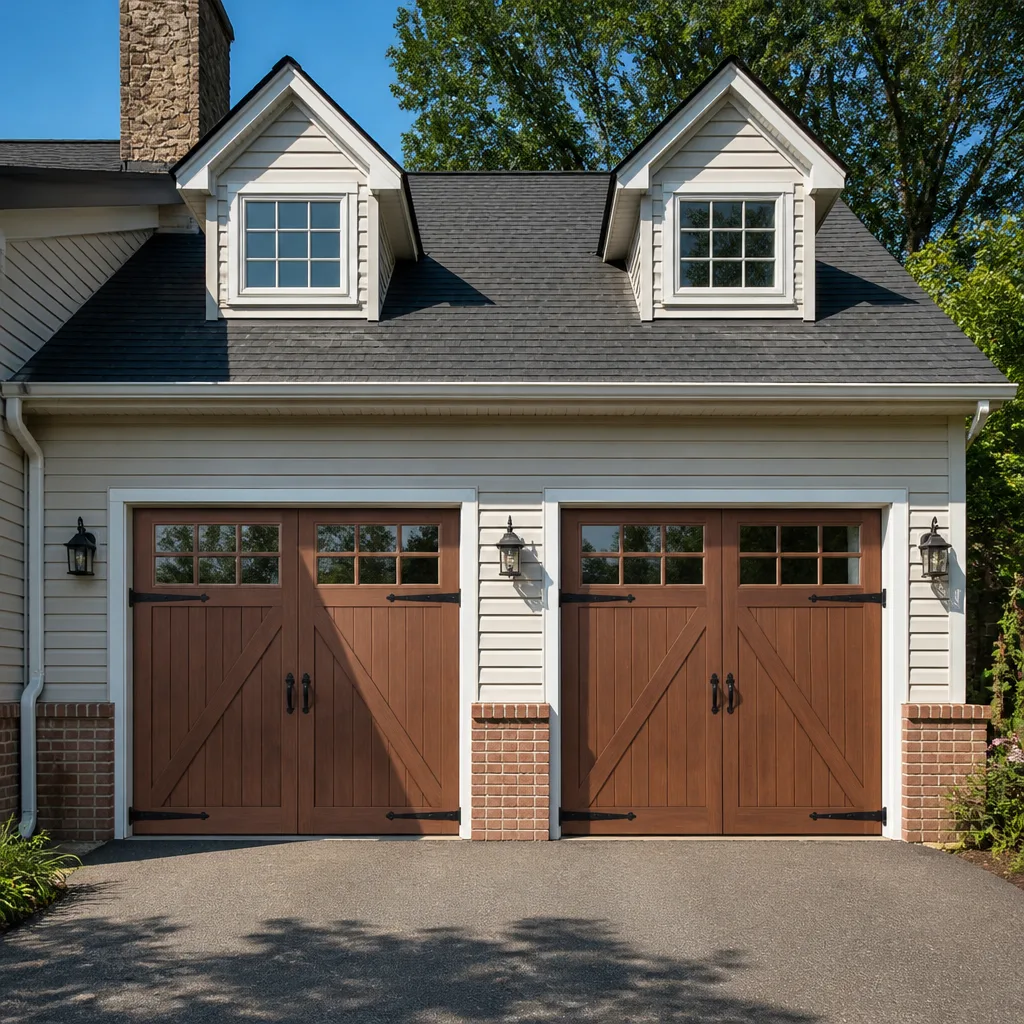 Carriage house
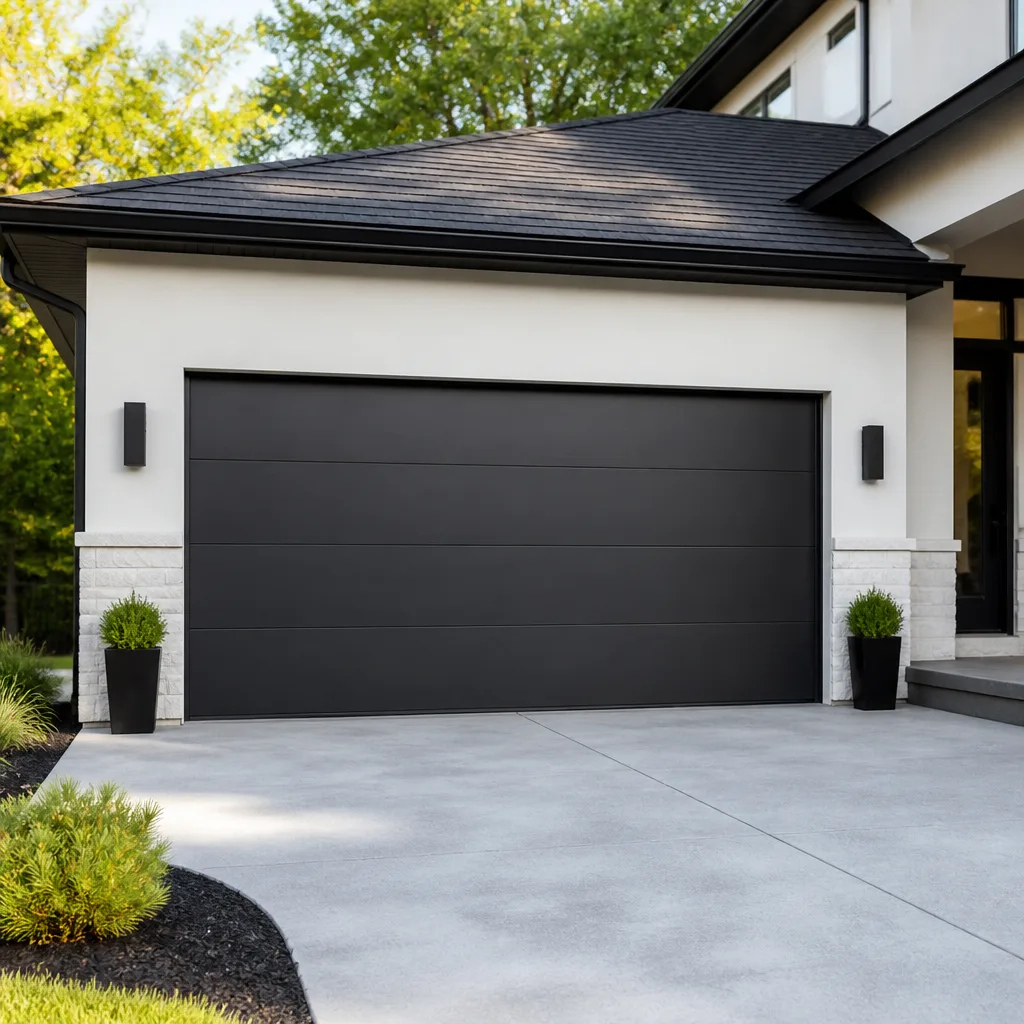 Modern flush
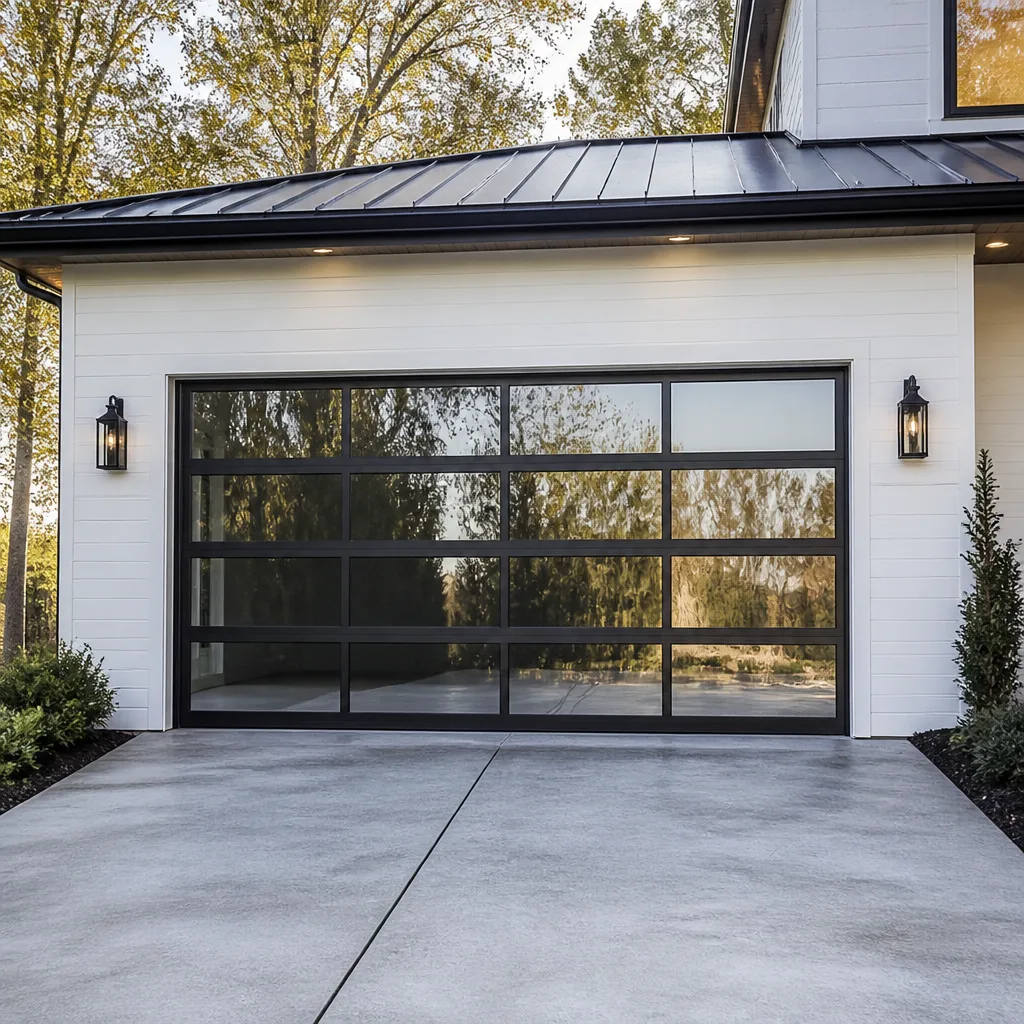 Full-view glass
 LiftMaster openers
 Chamberlain openers
Full 25-point door and opener safety check with every visit - springs, cables, rollers, tracks, and your LiftMaster or Chamberlain opener included
You get a price before we start. It does not change when the pro arrives.
Get your free estimateGarage Door Repair Maintenance Schedule: What to Do and When
Most garage door maintenance advice you’ll find online was written for a climate that doesn’t exist here. The standard line is “lubricate twice a year and call it done,” and that schedule quietly assumes cool, dry air, mild sun, and a garage that sits in shade half the year. In Palm Beach Gardens, none of that holds. The sun beats down hard enough to crack rubber seals in a couple of seasons, the wet months push humidity into every hinge and roller, and the air is warm enough year-round that lubricants behave differently than the label promises. A spring that might last many years in a dry climate works through its rated cycles faster in this heat and moisture. This guide gives you a schedule built for where you actually live, month by month, with the tasks that matter most in South Florida’s wet and dry seasons. We’ll cover the DIY inspection work you can safely do, the parts you should never touch, and how maintenance affects your manufacturer’s warranty.
Quick Answer
In Palm Beach Gardens, a garage door needs a light monthly inspection, lubrication every 2 to 3 months during the wet season and every 3 to 4 months in the dry season, and a full professional tune-up once a year. Weather seals should be checked for UV cracking every few months because sun damage drives more failures here than anywhere else in the schedule. Springs, cables, and anything under tension get inspected by a trained technician, never adjusted by a homeowner. Call (866) 490-4428 for a free estimate on any repair. We answer 24/7, with fast dispatch from 7am to 7pm, Sunday through Friday.
Styles & brands we work with
- Raised-panel steel
- Carriage house
- Modern flush
- Full-view glass
- LiftMaster openers
- Chamberlain openers
Table of Contents
- Why a Palm Beach Gardens Schedule Looks Different
- The Month-by-Month Task Calendar
- Choosing Lubricants for 90°F+ Heat
- Inspecting Weather Seals and UV Cracking
- The Annual Cable Inspection Protocol
- Which Tasks Protect Your Warranty and Which Void It
- Wet Season vs. Dry Season Adjustments
- What a Professional Tune-Up Actually Covers
Why a Palm Beach Gardens Schedule Looks Different
A national maintenance checklist gets written for an average climate that fits almost nowhere. Palm Beach Gardens has a specific set of pressures that change what wears out first and when.
The biggest factor is sun and heat. A garage door facing west takes direct afternoon sun for hours. That UV exposure ages weather seals, breaks down the rubber at the bottom of the door, and stresses painted or composite surfaces. Heat also changes how lubricants behave: a light spray that works in a cool climate thins out and migrates away in the first hot stretch, leaving hinges and rollers dry. Your roll-up springs and torsion springs are heat-cycled constantly, and heat is one of the conditions that shortens spring life.
The second factor is moisture. South Florida’s rainy season brings weeks of humid air and afternoon downpours. Metal hinges, rollers, and track contact points see moisture that dry-climate guides never account for. Left unlubricated, that moisture is a recipe for stiff movement, rust spotting, and noisy operation. It also works on the bottom seal, where trapped water and lawn debris can rot the rubber faster.
Third is debris from landscaping. In our experience, a lot of Palm Beach Gardens homes sit behind hedges, palms, and dense plantings, and the leaf litter and fine grit that collect on the tracks and inside hinges are as much a wear item as the parts themselves. Grease that’s too heavy grabs that grit and turns it into grinding paste. That’s why the lubricant you choose matters as much as how often you apply it.
The takeaway: your maintenance calendar should follow Palm Beach Gardens’ wet and dry seasons, not a generic spring-and-fall split built for cooler states.
The Month-by-Month Task Calendar
Here’s the schedule we recommend for Palm Beach Gardens homes. Months run on the region’s wet and dry cycle, where the rainy season generally falls in the warmer half of the year and the dry season in the cooler half. This is a general framework, not a rule set in stone; adjust based on how much direct sun and tree debris your door sees.
Wet Season (Warmer, Rainier Months)
- Monthly: Visual once-over. Look and listen for anything new: a squeak, a slow start, a door that pauses mid-travel, or a bottom seal dragging. Do this from the ground, eyes and ears only.
- Every 2 to 3 months: Lubricate hinges, rollers, and the pivot points. Humidity is highest now, so the metal wants fresh protection on a tighter cycle.
- Every 2 to 3 months: Wipe the tracks clean of grit and leaf debris. Dry cloth only; never oil or grease the tracks themselves.
- Mid-season: Inspect the bottom seal for water damage, cracking, or gaps. Clear gutter splash and lawn clippings away from the door opening.
- Once during the season: Test the opener’s safety reverse feature. Place a solid object on the floor in the door’s path and confirm the door reverses on contact.
Dry Season (Cooler, Drier Months)
- Monthly: Same visual once-over, with extra attention to sun-facing seals, which crack fastest in long stretches of bright weather.
- Every 3 to 4 months: Lubricate hinges, rollers, and pivot points. Metal dries out a bit more slowly now, so you can stretch the interval slightly.
- Once in the season: Book the annual professional tune-up. Dry-season timing lets a technician balance the door and catch worn parts before the wet season loads the system again.
- Once in the season: Wash and inspect the door surface for paint or finish wear, especially on a west-facing door that takes the most afternoon sun.
Two things to add to the map: an annual cable and spring inspection by a technician regardless of season, and a balance test twice a year (more on both below). If your door lives under a tree canopy, tighten the monthly checks and get grit off the tracks sooner.
Choosing Lubricants for 90°F+ Heat
The wrong lubricant can do more harm than none in Palm Beach Gardens heat. What you want is a product that stays where you put it, doesn’t thin and run off in the first hot afternoon, and doesn’t turn into a grit magnet.
What works
- Silicone-based spray lubricant for hinges, rollers, and pivot points. It’s light, it doesn’t collect much debris, and it holds up reasonably well in heat.
- White lithium grease in small amounts for heavier metal-on-metal contact where a spray won’t last. Apply sparingly; excess grease in this climate grabs grit.
- A dedicated garage door lubricant if one is available, applied per its label directions.
What to avoid
- Heavy automotive grease on hinges and rollers. It’s too thick and turns into a paste with landscaping grit and leaf dust.
- General-purpose household oil that thins out and migrates in heat, leaving the contact points dry within days.
- Anything on the tracks. Tracks are meant to stay dry and clean. Lubricating them attracts grit and causes the rollers to drag.
How to apply: a small amount at each hinge pin, roller stem, and pivot point goes a long way. Wipe up any excess before you close the door. In our experience, the most common lubrication error is overdoing it; a light, even coat beats a heavy one every time in this heat.
Inspecting Weather Seals and UV Cracking
Weather seals are the most neglected maintenance item in sunny climates, and in Palm Beach Gardens that neglect shows up fast. UV exposure is relentless, and rubber that flexes at the bottom of the door every single day takes a beating.
What to look for
- Cracking or crazing on the surface of the bottom seal and the side seals, especially on the sun-facing side of the door.
- Stiffness or brittleness when you press the rubber. A healthy seal is flexible; a UV-aged one feels hard and dry.
- Gaps between the seal and the floor that let in water, insects, and hot air.
- Discoloration or powdery residue where the rubber is breaking down.
How often to check
Check the seals every 2 to 3 months, and add a check after any stretch of unusually bright weather. On a west-facing door, look more often; that afternoon sun does the most damage. Replacement seals are an inexpensive fix that protects the door frame, keeps rain out of the opening, and helps the door close cleanly.
One safety note: this is a check-the-seal inspection, not a repair-the-door session. Looking at the rubber with your eyes and pressing it lightly is fine. Getting on a ladder, or reaching near the springs and cables above the door, is not something we recommend a homeowner do. Springs and cables are under extreme tension and can cause serious injury if they’re disturbed; those get a trained technician.
The Annual Cable Inspection Protocol
Cables are the part that tells you a failure is coming, if you know what to look for. A frayed cable that’s caught early is a routine replacement; one that’s missed can snap and let a door drop. This is a look-only inspection from the floor, done once a year, and it’s a job for a technician rather than a homeowner.
What fraying looks like before a failure
- Fuzz or broken strands: individual wire strands lifting away from the braid. Even one broken strand is a warning sign.
- Kinks, curls, or uneven tension: a cable that looks wavy or hangs differently than the one on the other side.
- Rust or corrosion spotting: discoloration along the cable length, which weakens the wire from the outside in.
- Stretched or slack cable: a cable that no longer looks taut and evenly seated on its drum.
- Uneven door travel: if the door looks crooked or moves unevenly, stop using it and have it looked at.
What to do with what you find: if the cable looks frayed, kinked, or slack, stop operating the door by hand or with the opener and have it inspected. Do not attempt to loosen, tighten, or remove a cable yourself. Cables sit alongside the springs under heavy tension, and a slip can be dangerous. This is exactly the kind of inspection a trained technician does during an annual tune-up, and Palm Beach Gardens Garage Door Repair Pros treats cable and spring work as a safety-critical service, not a generic repair. Our garage door repair team can check the cables and springs on the spot.
Which Tasks Protect Your Warranty and Which Void It
Most maintenance guides skip warranty entirely, and that’s a gap worth closing. Your door and opener manufacturers set warranty terms, and some routine tasks help you keep that coverage while others can cost you it.
Tasks that support your warranty
- Routine lubrication of hinges, rollers, and pivot points, done as the manufacturer specifies. Documented maintenance is what warranty holders want to see.
- Keeping tracks clean and clear of debris so the door operates without strain.
- Prompt repair of a small problem (a worn roller, a noisy hinge) before it turns into a bigger one. Letting a known issue ride is the kind of neglect a manufacturer may point to.
- Professional service by someone familiar with the brand. That’s where brand familiarity pays off: we’re factory-familiar with Clopay, Amarr, Wayne Dalton, and Craftsman doors, and with the openers that drive them, so a technician knows the specific quirks rather than guessing.
Tasks that can void it
- Adjusting or replacing springs or cables yourself. Homeowner work on tensioned parts is both dangerous and a common warranty issue.
- Using the wrong lubricant (heavy grease, household oil on the tracks) and causing related wear.
- Modifying the door or opener in ways the manufacturer doesn’t support, including mixing incompatible parts.
- Skipping the maintenance schedule entirely and letting a known fault build into a failure.
Always check your own warranty paperwork for the exact terms; coverage varies by brand and product. If you’re unsure whether a task is safe or covered, call (866) 490-4428 and we’ll tell you.
Wet Season vs. Dry Season Adjustments
The core of a Palm Beach Gardens schedule is matching your effort to the seasons. Here’s how to shift the emphasis.
Wet-season focus
- Moisture protection: lubricate on the tighter 2-to-3-month cycle so humid air never gets a clean shot at dry metal.
- Debris control: after storms, clear leaves and grit from the tracks and hinges before running the door.
- Seal checks: watch the bottom seal for water damage and gaps that let rain in.
- Opener checks: confirm the safety reverse is working, since a wet or debris-blocked door can behave unpredictably.
Dry-season focus
- UV protection: inspect seals and door finish for sun cracking and fading, and replace worn rubber early.
- Lubrication on the 3-to-4-month cycle keeps metal protected without over-greasing.
- Annual tune-up: schedule the professional visit in the dry season so the door is in shape heading into the rainy months.
- Balance test: disconnect the opener and lift the door halfway by hand. A door that stays put is balanced; one that drops or rises on its own needs a technician’s adjustment.
If your door is on a smart opener, add an app and safety-reverse check to both seasons. Whether it’s a smart opener or a 20-year-old chain drive, we’ve worked on it; our garage door opener repair team handles app connectivity, MyQ, and Aladdin Connect issues in Palm Beach Gardens regularly.
What a Professional Tune-Up Actually Covers
A yearly professional tune-up is the backbone of the schedule, and it covers the parts a homeowner shouldn’t touch. Here’s what a thorough one includes.
- Full balance and travel check. The technician tests whether the door is properly balanced and whether it opens and closes evenly.
- Spring and cable inspection. A close look at the most safety-critical parts: torsion or extension springs and both cables, checked for wear, fraying, and correct tension.
- Hinge, roller, and track assessment. Worn rollers get flagged, tracks get checked for alignment, and all moving points get lubricated correctly.
- Opener safety test. The safety reverse and force settings get checked and adjusted as needed. If you have a smart opener, connectivity and app features get tested too.
- Weather seal and hardware review. Bottom and side seals get inspected, and loose bolts and fasteners get tightened.
Why a specialist: a generalist handyman treats a garage door as an afterthought, which is how small issues turn into failures. This business specializes exclusively in garage doors, so the diagnostic, the parts, and the brand knowledge are all pointed at one system. In our experience, the difference shows on brand-specific quirks that a generalist misses. A free estimate for any repair starts with a call to (866) 490-4428. Your price is quoted and agreed before any work begins.
Common Mistakes to Avoid
- Lubricating the tracks. It’s the single most common error. Tracks stay dry and clean; oil or grease on them attracts grit and makes rollers drag.
- Using heavy grease in hot weather. Heavy grease turns into grit paste in Palm Beach Gardens heat. A light silicone spray beats it every time.
- Ignoring the bottom seal until it fails. UV cracking creeps up quietly; check it every few months rather than waiting for a water leak.
- DIY spring or cable work. The most dangerous parts of the door; leaving them to a trained technician protects your safety and your warranty.
- Treating the door as set-and-forget. Skipping lubrication and grip cleaning lets a small problem build into a big one.
- Over-greasing hinges and rollers. More isn’t better here; a light, even coat keeps grit out, and excess grease attracts it.
- Not testing the safety reverse. It’s the most important function on the opener, and it’s easy to forget between seasons.
See the difference
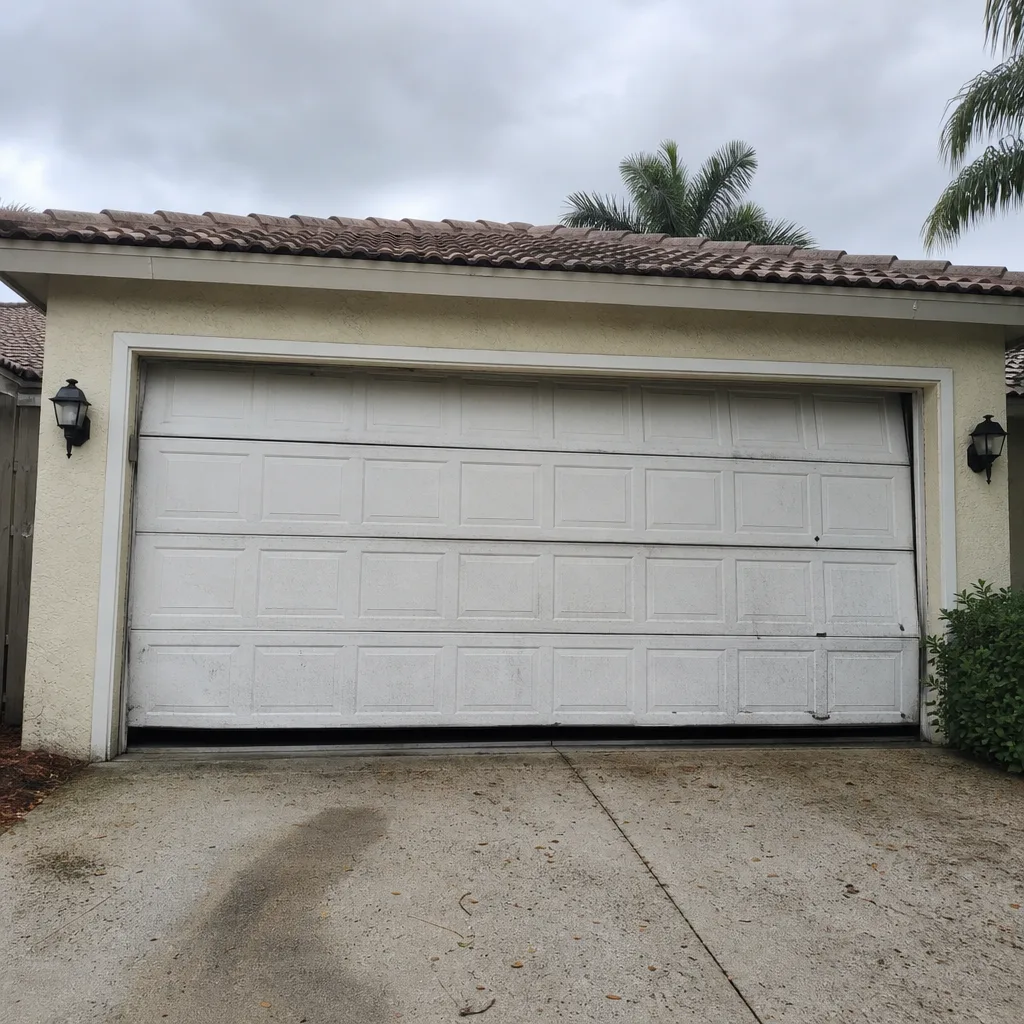 Before
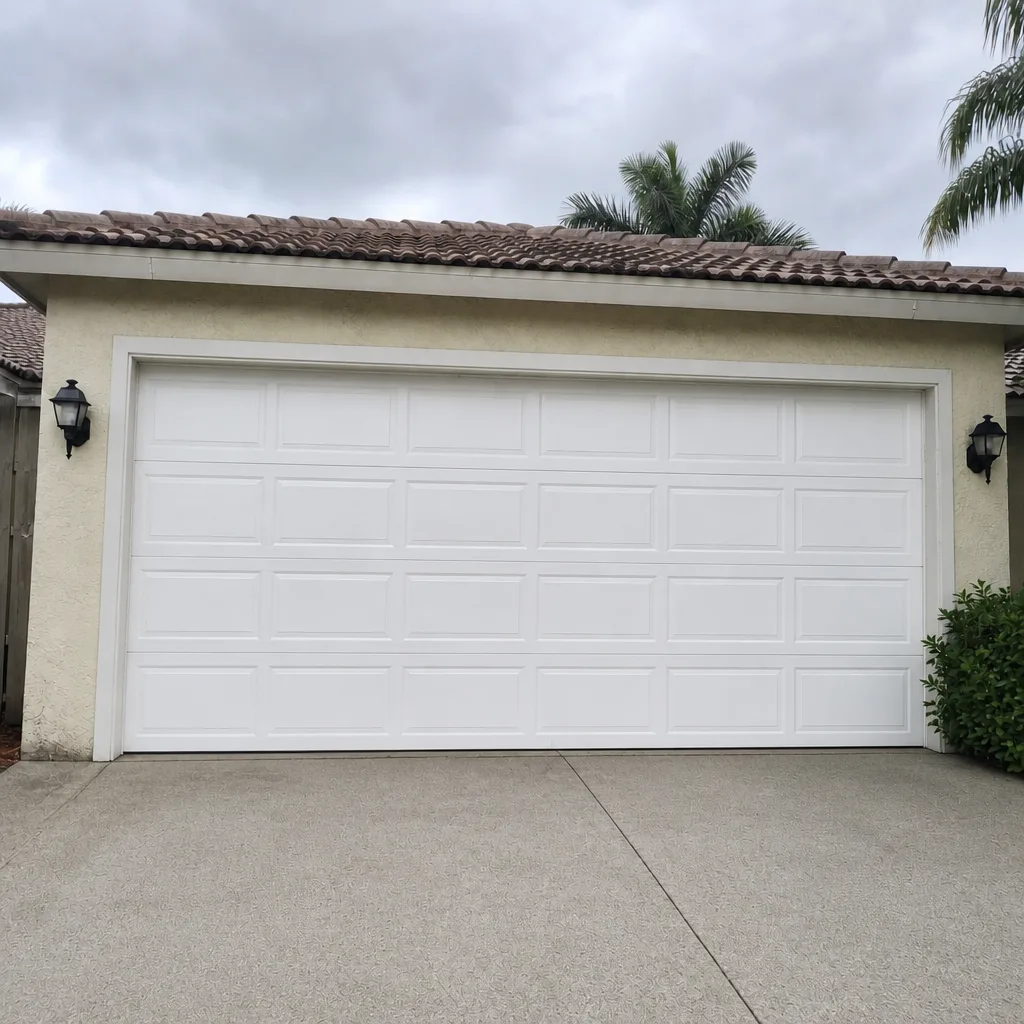 After
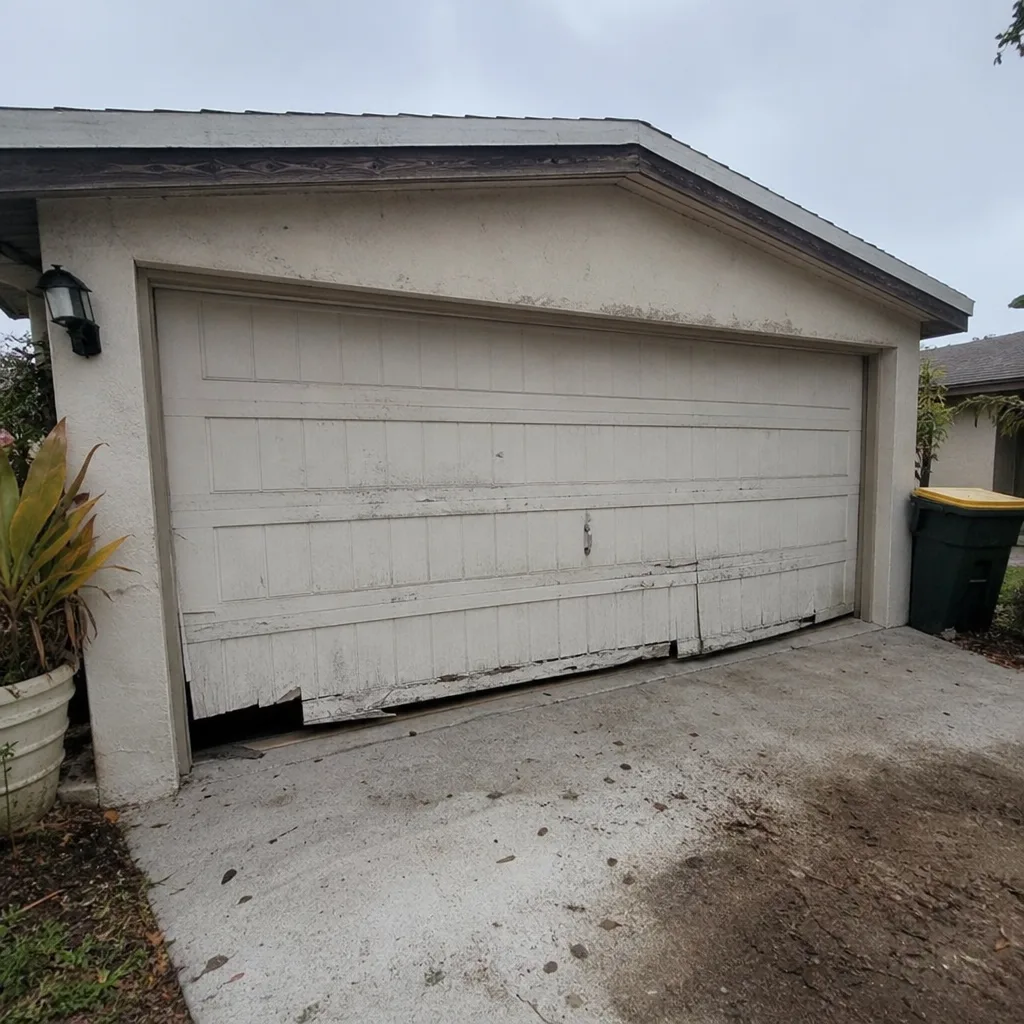 Before
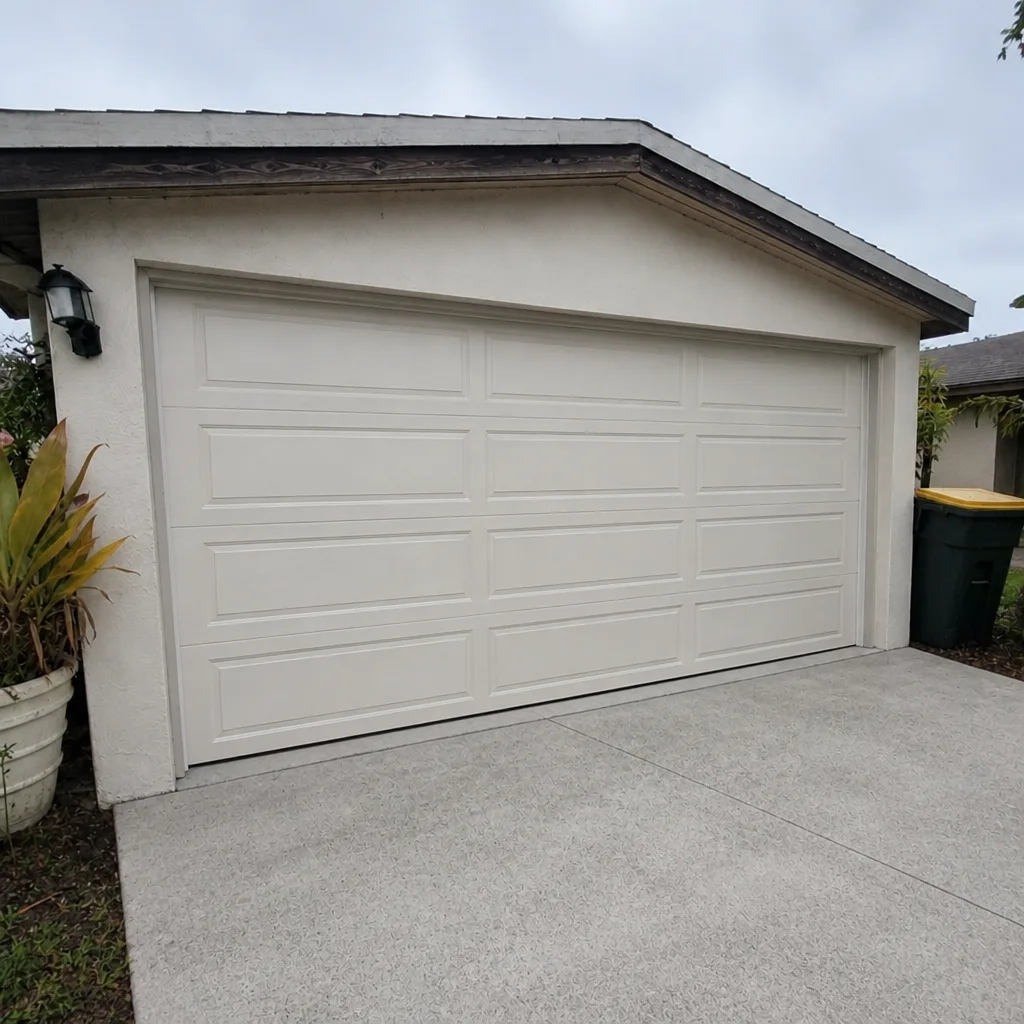 After
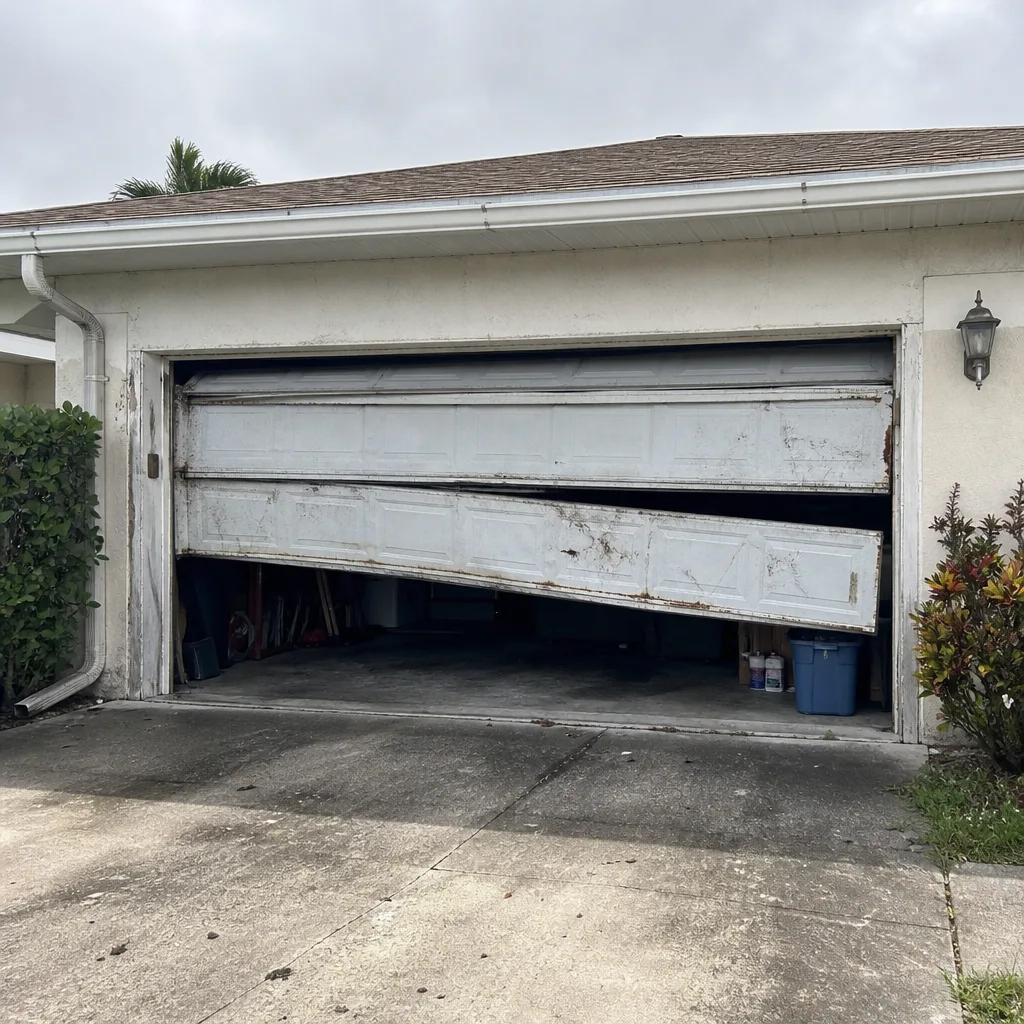 Before
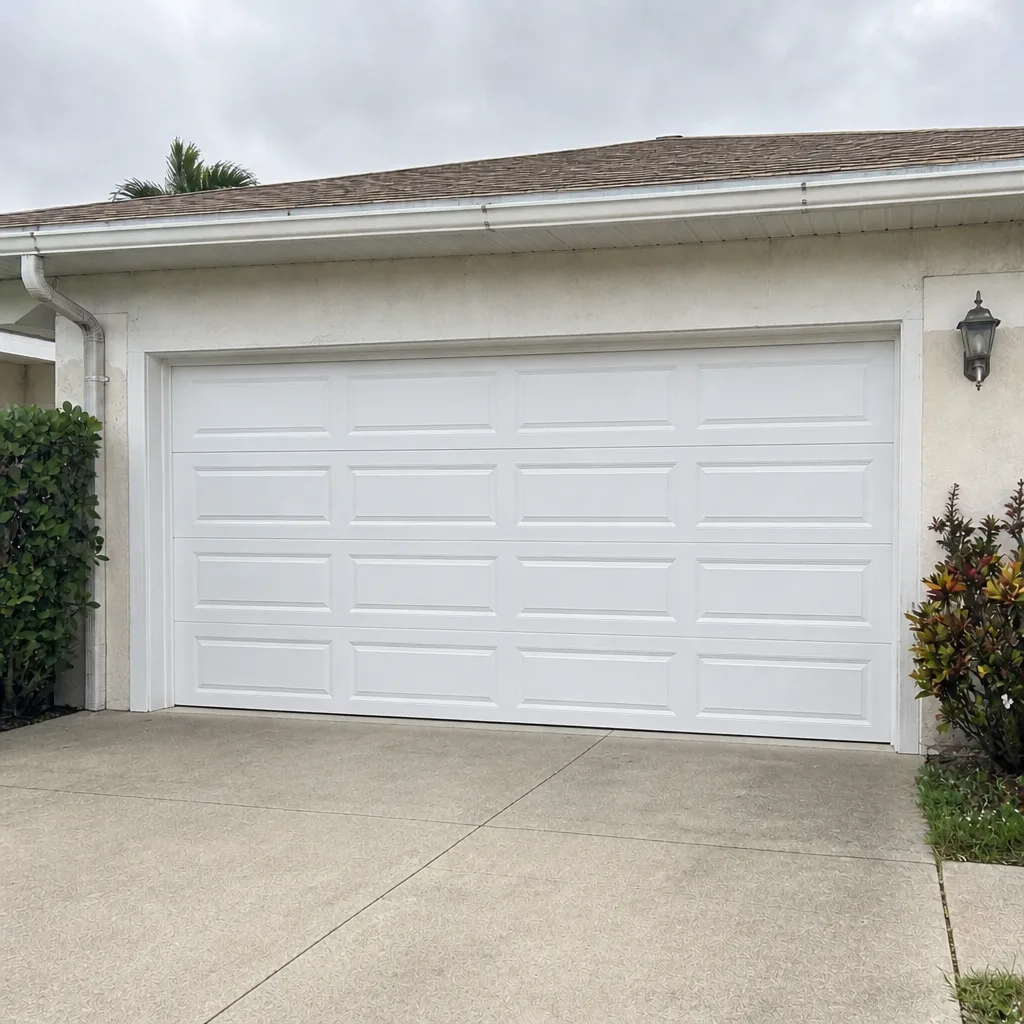 After
When to Call a Professional
Some tasks belong on your calendar. Others belong on a technician’s bench. Call us if you notice any of the following.
- A frayed, kinked, or slack cable, or a door that looks crooked or moves unevenly.
- A spring that’s visibly worn, or a door that feels unusually heavy to lift by hand.
- A door that reverses, pauses, or stops mid-travel, especially with a smart opener.
- Persistent noise or stiffness after lubrication.
- A worn weather seal you’d rather have replaced correctly.
Palm Beach Gardens Garage Door Repair Pros offers free estimates in Palm Beach Gardens. Call (866) 490-4428. We answer 24/7, with fast dispatch from 7am to 7pm, Sunday through Friday, closed Saturday. Our technicians have up to 15 years of experience and are factory-familiar with the major brands.
Frequently Asked Questions
In Palm Beach Gardens, lubricate hinges, rollers, and pivot points every 2 to 3 months during the wet season and every 3 to 4 months during the dry season. Humidity is the reason for the tighter wet-season cycle. Call (866) 490-4428 for an exact quote; estimates are free.
No. Springs and cables are under extreme tension and can cause serious injury if disturbed, so they should only be handled by a trained technician. This is also the safe way to protect your warranty. Call (866) 490-4428 and we’ll schedule an inspection.
Because UV exposure and heat are constant in Palm Beach Gardens, especially on a west-facing door, and rubber seals break down under that load. Check them every 2 to 3 months rather than once a year. Call (866) 490-4428 if a seal needs replacing.
It can. Most manufacturers expect routine maintenance, and DIY work on springs or cables or the wrong lubricant are common warranty issues, so always check your own warranty terms. If you’re unsure, call (866) 490-4428 and we’ll walk you through it.
Look for fuzz or broken strands, kinks or curls, rust spotting, or slack and uneven tension, and stop using the door if you see any of it. A technician should do the actual check. Call (866) 490-4428 for a free estimate.
Yes, we offer same-day service when the schedule allows for repair work. Call (866) 490-4428; a call outside dispatch hours is booked into the next opening, Sunday through Friday, 7am to 7pm. Your price is quoted and agreed before any work starts.
The Bottom Line
A Palm Beach Gardens garage door asks for a little more attention than a national checklist implies, but the routine is simple. Inspect monthly, lubricate lightly on a heat-and-humidity-aware schedule, check the seals for UV cracking every few months, and book a professional tune-up once a year. Leave the springs and cables to a trained technician, and keep a note of your brand and warranty. Do that, and the door stays quiet, balanced, and reliable through both the wet and dry seasons. When something needs a specialist, one call covers it: repair, opener, springs, or full replacement. Call (866) 490-4428 for a free estimate. We answer 24/7, with fast dispatch from 7am to 7pm, Sunday through Friday.
For a deeper look at routine fixes and repairs in town, visit our home base at Palm Beach Gardens Garage Door Repair Pros. If a spring is the problem, our garage door spring repair specialists can help.
Written by the team at Palm Beach Gardens Garage Door Repair Pros.